
Level 2: The Postural Powerhouse
Advancing the Brain-Body Connection for Coordination, Focus, and Balance.
Step 1: The Active Integration Patterns
These exercises are designed to “re-sync” the brain’s communication with the body. Use these videos as a guide for the flow and form of each movement.
The Lizard (ATNR – Asymmetrical Tonic Neck Reflex)
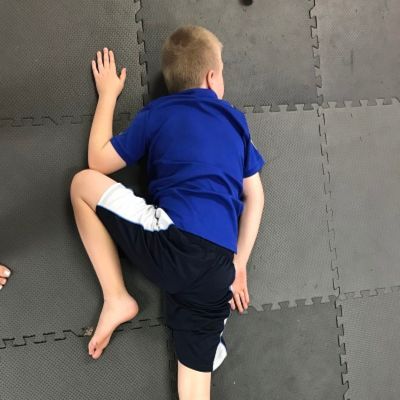
The Move: On all fours, slide the arm and knee up on the same side while turning the head to look at that hand.
Watch the Move: ATNR: Lizard Exercise
We follow a specific progression to “re-wire” the nervous system without overwhelming it. We will re-evaluate these reflexes at your child’s next re-exam.
The Stretching Cat (STNR – Symmetrical Tonic Neck Reflex)
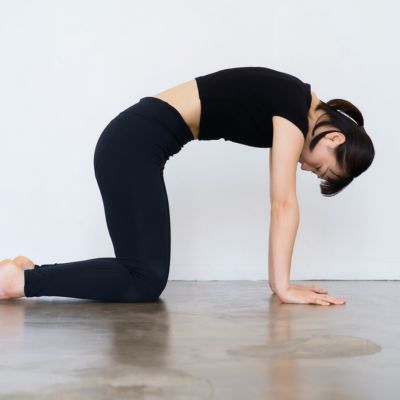
- From all fours, tuck the chin to the chest and arch the back high, then look up while letting the belly sink
- Watch the Move: STNR Exercise: The Stretching Cat
We follow a specific progression to “re-wire” the nervous system without overwhelming it. We will re-evaluate these reflexes at your child’s next re-exam.
Superman & Popcorn (TLR – Tonic Labyrinthine Reflex)
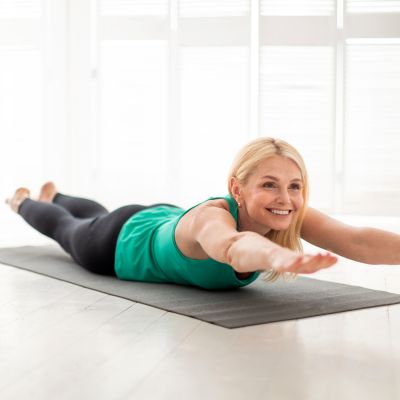
- The Move: Alternate between lying on the stomach lifting limbs (Superman) and tucked on the back (Popcorn/Meatball).
- Watch the Move: TLR: Meatball Exercise
We follow a specific progression to “re-wire” the nervous system without overwhelming it. We will re-evaluate these reflexes at your child’s next re-exam.
The Starfish – Moro Reflex
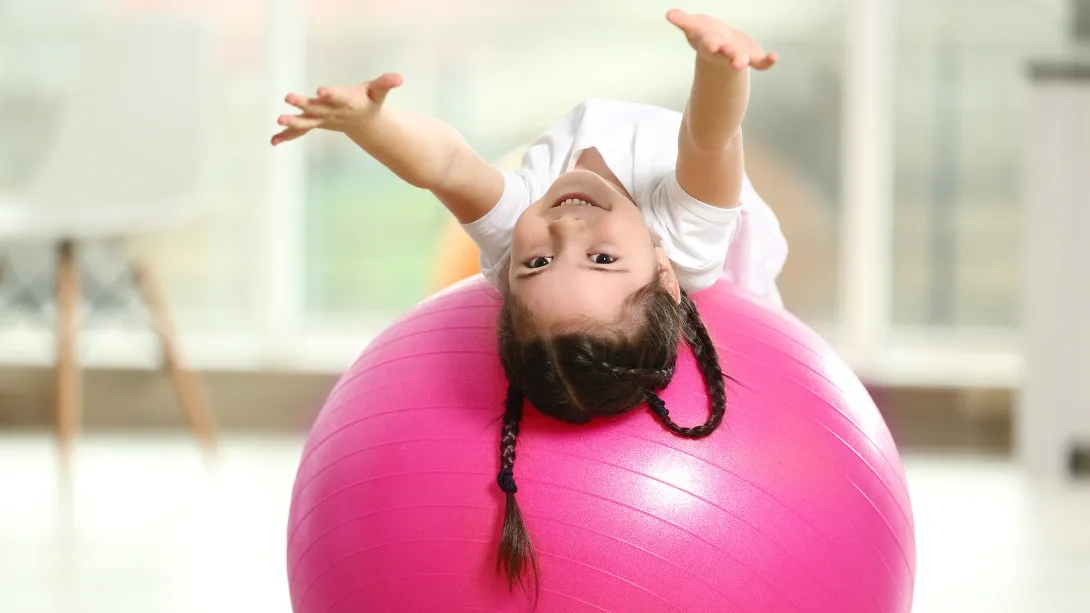
- The Move: Inhale deeply, expanding arms and legs wide. Exhale slowly, tucking into a tight ball.
- Watch the Move: Moro Exercise: The Starfish
We follow a specific progression to “re-wire” the nervous system without overwhelming it. We will re-evaluate these reflexes at your child’s next re-exam.
The Vertical Compass (Righting Reflexes)
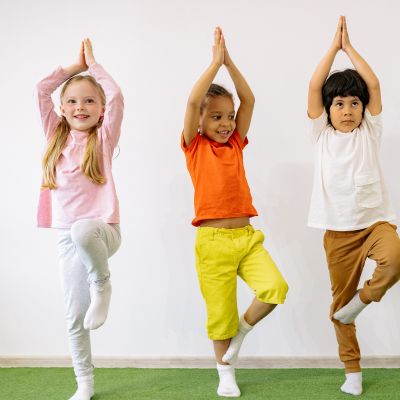
- The Move: Keeping the head vertical and eyes on the horizon while the body is gently tilted.
- Watch the Move: Righting Response Exercise
We follow a specific progression to “re-wire” the nervous system without overwhelming it. We will re-evaluate these reflexes at your child’s next re-exam.
Understanding Your Child’s “Internal Compass”
From Survival to Skill If Phase 1 was about getting your child upright, the Postural Reflexes are about how they move through space. These are the reflexes that allow your child to sit still in a chair, catch a ball, and track a line of text across a page without getting a headache.
The “Glitchy GPS” Metaphor Imagine your child’s brain has an internal GPS. When these postural reflexes are “glitchy,” it’s like the GPS is 10 seconds behind reality. The brain has to work 10 times harder just to stay balanced or focused.
When a child is “clumsy” or has poor focus, it’s often not a lack of effort—it’s a GPS that needs recalibrating. By doing these movements, we are clearing the signal so the brain can focus on learning instead of just staying upright.
Weekly Success Tracker
“Slow is smooth, and smooth is fast.”
Parent Pep-Talk: You might notice your child gets tired quickly during these. That’s okay! This is “heavy lifting” for the brain. Keep the sessions short and playful. You are literally building a stronger foundation for their future.