
How Chiropractic Care Helps Teenagers with Anxiety
Neurological Chiropractic Care for Anxiety in Teenagers — The Wellness Path · Knoxville · Maryville · Morristown Tennessee
How Chiropractic Care Helps Teenagers with Anxiety
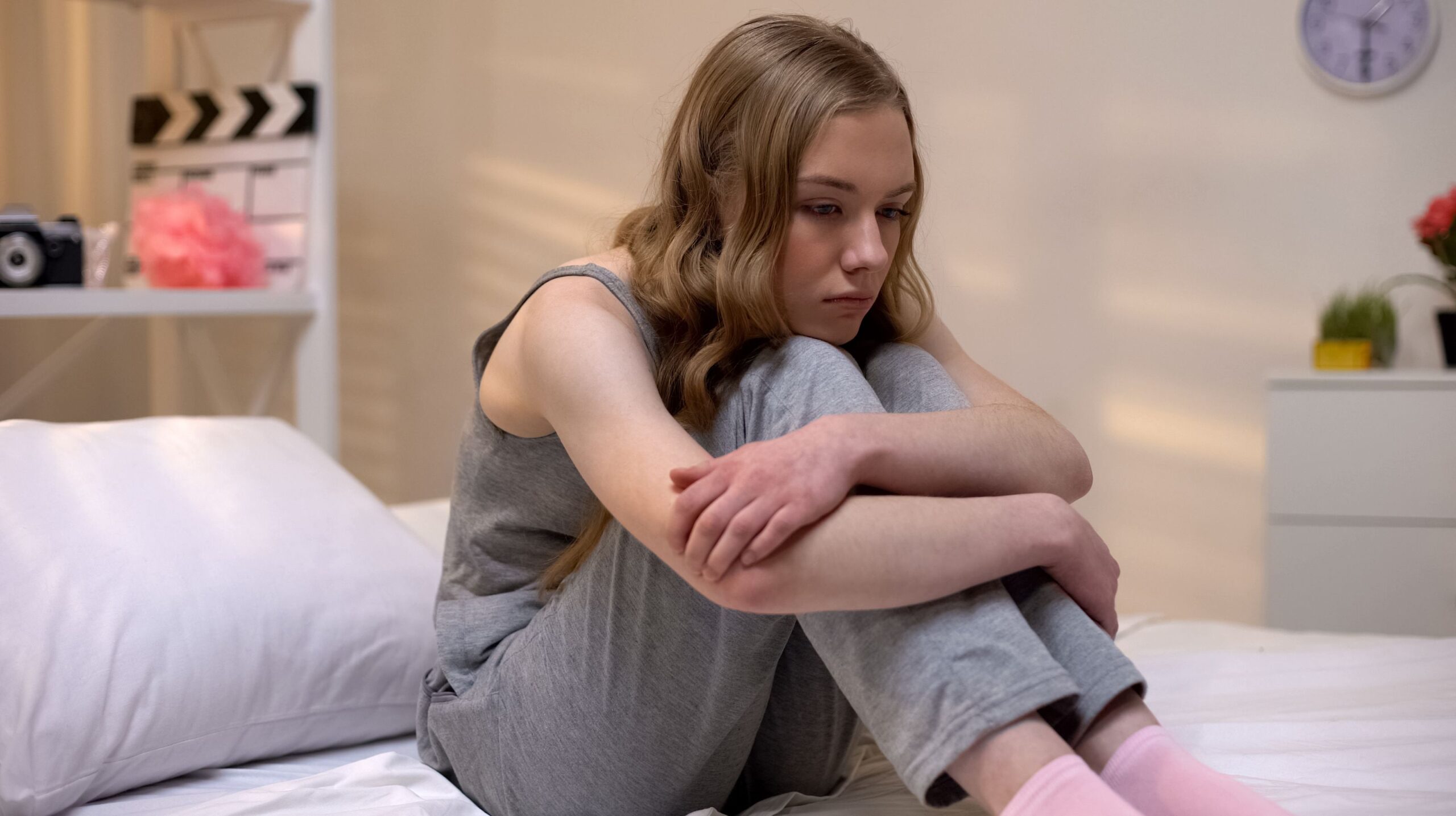
Neurological Chiropractic Care for Anxiety in Teenagers — The Wellness Path · Knoxville · Maryville · Morristown TennesseeAnxiety in teenagers is one of the most significant and fastest-growing health challenges in adolescence. And while the social and academic pressures of high school are real, what determines whether a teenager responds to those pressures with appropriate stress and recovery — or with chronic anxiety, avoidance, and physiological overwhelm — is the state of their nervous system.
Teen anxiety — the persistent worry, the physical symptoms, the avoidance, and the nervous system that cannot find its way out of the fight-or-flight state — has a structural and neurological source that chiropractic care addresses directly. Upper cervical subluxation and Moro retention keep the sympathetic nervous system chronically activated, making the parasympathetic recovery that genuine rest and calm require neurologically unavailable.
What We Address
Retained Moro Reflex and Chronic Alarm
The Moro is the infant’s primitive survival alarm. When retained into adolescence it keeps the nervous system scanning the environment for threat at a level that is appropriate for a newborn but profoundly dysregulating for a teenager trying to navigate a social and academic environment. The heightened startle response, the overwhelming reaction to unexpected events, the social anxiety, and the difficulty with transitions are all expressions of a retained Moro maintaining the alarm system at permanent activation.
Low Vagal Tone and Stress Recovery
HRV is the most validated clinical measure of the nervous system’s ability to recover from stress. Teenagers with anxiety consistently show low HRV — reflecting a vagal tone that is insufficient to bring the nervous system back to baseline after stress activation. Upper cervical correction and the resulting improvement in vagal tone is measurable through HRV and directly improves the stress recovery capacity that determines how anxious a teenager is in response to normal life stressors.
Sympathetic Dominance and the Anxiety Cycle
A nervous system chronically in sympathetic dominance interprets ambiguous situations as threatening, generates more intense physiological stress responses, and takes longer to return to baseline after stressors. This creates a cycle where the anxiety itself becomes a stressor — the teen becomes anxious about being anxious — because the nervous system cannot efficiently complete the stress response and return to calm.
What to Expect From Care
- Reduction in baseline anxiety level — the constant background tension and worry decreases
- Better recovery from stressors — the teen comes back to calm faster after difficult situations
- Reduction in physical anxiety symptoms — racing heart, stomach pain, difficulty breathing
- Improved sleep as the nervous system can shift into the parasympathetic state sleep requires
- Better social confidence as the Moro alarm pattern reduces and social situations become less threatening
- Improvement in HRV scores reflecting the measurable vagal tone recovery underlying the anxiety improvement
Related Conditions
Often driven by the same underlying patterns:
Your Teen’s Anxiety Has a Nervous System Source. Let’s Address It.
Book your NeuroFoundation Assessment — $197 for new patients — at any of our three East Tennessee locations.
Book Your NeuroFoundation AssessmentCall or text (865) 214-7438 · Knoxville · Maryville · Morristown