Signs of Nervous System Dysregulation in Children
Discover the common signs of nervous system dysregulation in children — and why they point to something deeper than behavior, attention, or mood.

Discover the common signs of nervous system dysregulation in children — and why they point to something deeper than behavior, attention, or mood.
Learn how retained primitive reflexes may be driving ADHD symptoms in children — and why integrating them through a neuro-focused approach can change the picture.
Learn the difference between sensory processing challenges and ADHD in children and how the nervous system plays a central role in both — and why getting it wrong matters.
Discover how neurologically-focused chiropractic care may support children with ADHD by addressing nervous system function, retained reflexes, and stress regulation.

Learn how the nervous system affects ADHD symptoms in children and why focus, behavior, and emotional regulation are closely connected to neurological function.
Chiropractic Care and Your Autonomic Nervous System Chiropractic Education · The Wellness Path Chiropractic Care and Your Autonomic Nervous System — What We Look For How we assess the system that runs your stress response, digestion, and recovery Your autonomic nervous system is the part of you that runs without being asked. Heart rate. Breathing….
■ Key Takeaway Sleep is not a habit — it is a neurological function controlled by the autonomic nervous system. When the nervous system is stuck in sympathetic dominance, the transition into restorative sleep is disrupted. Chiropractic care that restores autonomic balance consistently improves sleep quality, documented in a 2024 Brain Sciences study using objective…
■ Key Takeaway The first six months after birth are the most neurologically significant postpartum window — the relaxin hormone keeps joints mobile and the nervous system is highly adaptable. Most postpartum care programs miss this window entirely. Chiropractic care in the fourth trimester supports nervous system recovery, pelvic realignment, and the hormonal transition out…
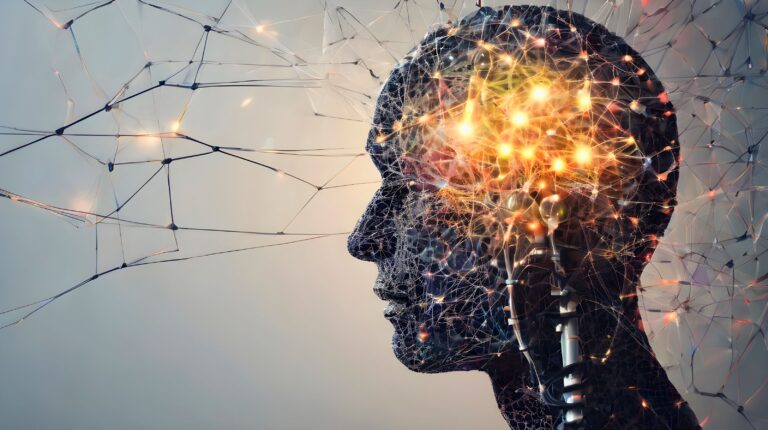
■ Key Takeaway A subluxation is when spinal joints stop moving properly, creating neurological interference between the spine and the brain. Because the spine provides 67–70% of all proprioceptive input to the brain, even subtle subluxation degrades the brain’s ability to regulate the body. This is why chiropractic care produces effects that go far beyond…