
Home› Pediatric Chiropractic› Children 3–10› Bedwetting
← Back to Children Chiropractic Pediatric Chiropractic Ages 3–10 · The Wellness Path · Knoxville TNHow Chiropractic Care Helps Children with Bedwetting
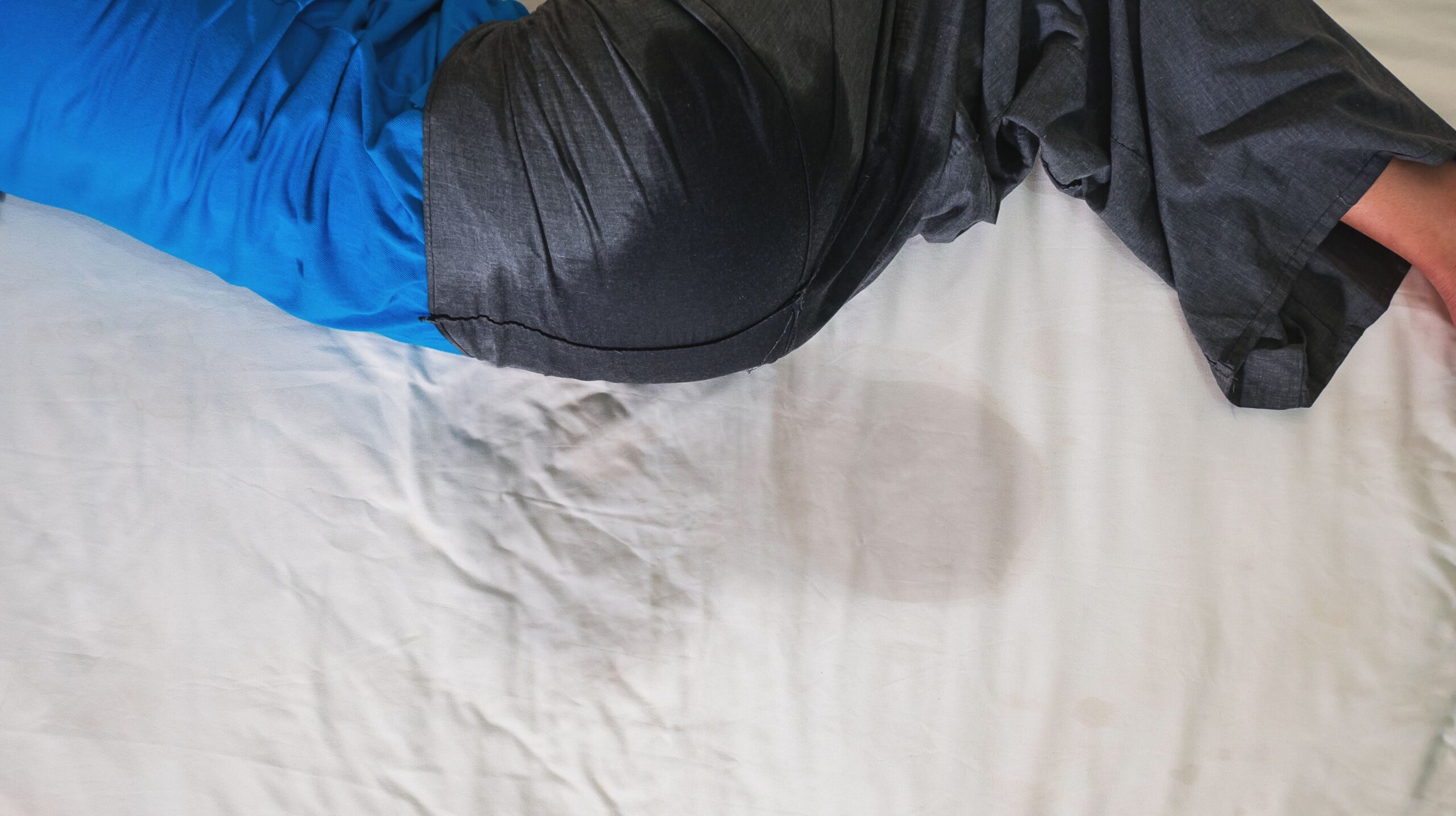
Neurological Chiropractic Care for Childhood Bedwetting and Nocturnal Enuresis — The Wellness Path · Knoxville · Maryville · Morristown TennesseeBedwetting — nocturnal enuresis — is one of the most emotionally significant struggles a child can face. The embarrassment, the disrupted sleep, the limitations on sleepovers and overnight activities with friends, and the frustration of a problem that resists every lifestyle intervention the family has tried. Most families are told the same thing: wait — they will grow out of it. What they are almost never told is that bedwetting frequently has a specific, identifiable neurological source that responds well to neuro-focused pediatric chiropractic care.
Bedwetting in children — nocturnal enuresis — is not a behavioral problem and it is not something the child can control with more effort or motivation. It has two consistent neurological drivers: a retained Spinal Galant reflex that creates a neurological trigger for bladder contraction from lower back pressure during sleep, and sacral subluxation at S2-S4 that compromises the parasympathetic nerve supply governing voluntary bladder control. Both are directly addressable through neurological chiropractic care.
The Spinal Galant reflex is a primitive reflex that in its unintegrated state creates hypersensitivity along the sides of the lower back and trunk in response to touch or pressure. When retained past its integration window, this reflex creates a direct neurological connection between the pressure of lying on a mattress and reflex activation of the muscles surrounding the bladder. A child with a retained Spinal Galant is literally sleeping on a neurological trigger for bladder contraction every single night. This is not a behavioral problem and it is not something the child can control. No alarm system, no fluid restriction protocol, no motivational reward chart addresses this — because none of them remove the neurological trigger. Reflex integration is what removes it.
Sacral subluxation — subluxation at the base of the spine — directly compromises the sacral parasympathetic nerve supply to the bladder. The sacral segments S2–S4 govern voluntary bladder control and the inhibition of detrusor muscle contraction during sleep. When this pathway is impaired by sacral subluxation, the sleeping child cannot maintain the neurological inhibition of bladder contraction that continent sleep requires. The brain knows to hold. The neurological pathway that implements that instruction is compromised. And the result is wetting that the child is genuinely not aware of until they wake to find it has happened.
What makes this particularly important is that most conventional approaches to childhood sleep disturbances and bladder control — alarm systems, fluid restriction, medications like DDAVP — address symptoms rather than the neurological source. When the source is a retained reflex or sacral subluxation, these approaches produce limited results because they are not addressing the mechanism generating the problem. Identifying and removing the neurological source is what produces the durable resolution that families are looking for.
What We Look For and How We Help
Spinal Galant Reflex Assessment and Integration
We assess the Spinal Galant as a routine part of every pediatric evaluation for bedwetting. When present, this reflex is often the primary driver — and its integration through home exercises and chiropractic support often produces the most consistent and meaningful reduction in bedwetting frequency. The home exercise protocol involves a specific daily brushing exercise along the lower back that progressively drives the nervous system to complete the integration of this reflex. Parents frequently report the first dry nights their child has had in years within the first two to three weeks of beginning the Spinal Galant protocol.
Sacral TRT Correction for Bladder Nerve Supply
Precise Torque Release Technique corrections at the sacrum restore the neurological pathway governing voluntary bladder control during sleep. The sacral correction addresses the structural component of the bedwetting presentation — removing the subluxation that is compromising the parasympathetic nerve supply to the bladder and allowing the brain’s instruction to hold to reach the bladder musculature effectively. Sacral and lumbar corrections together provide the most complete structural support for the bladder control pathway.
The Complete Neurological Picture
In most bedwetting presentations both the Spinal Galant reflex and sacral subluxation are contributing. Addressing only the reflex without the structural component — or only the structural component without the reflex — produces partial improvement. The complete approach addresses both simultaneously: reflex integration through daily home exercise and in-office primitive reflex work, alongside sacral and lumbar TRT corrections addressing the structural bladder nerve supply compromise.
What to Expect From Care
- Progressive reduction in bedwetting frequency — most families begin noticing dry nights within the first two to three weeks of beginning the Spinal Galant integration protocol
- Improved daytime bladder awareness and control as the neurological pattern changes — urgency reduces and holding becomes easier
- Improved sleep quality for the whole family as nighttime accidents become less frequent and less disruptive
- Improved confidence and willingness to participate in sleepovers and overnight activities that bedwetting has been preventing
- Full resolution in most cases once Spinal Galant integration is complete and sacral correction is maintained through care
- Children who understand the neurological explanation for their bedwetting report a significant reduction in shame and self-blame — the condition makes sense, and they are doing something active to address it
Related Conditions
Often driven by the same underlying neurological and structural patterns:
Bedwetting Has a Neurological Source. Let’s Address It.
Book your NeuroFoundation Assessment — $197 for new patients — at any of our three East Tennessee locations.
Book Your NeuroFoundation AssessmentCall or text (865) 214-7438 · Knoxville · Maryville · Morristown