
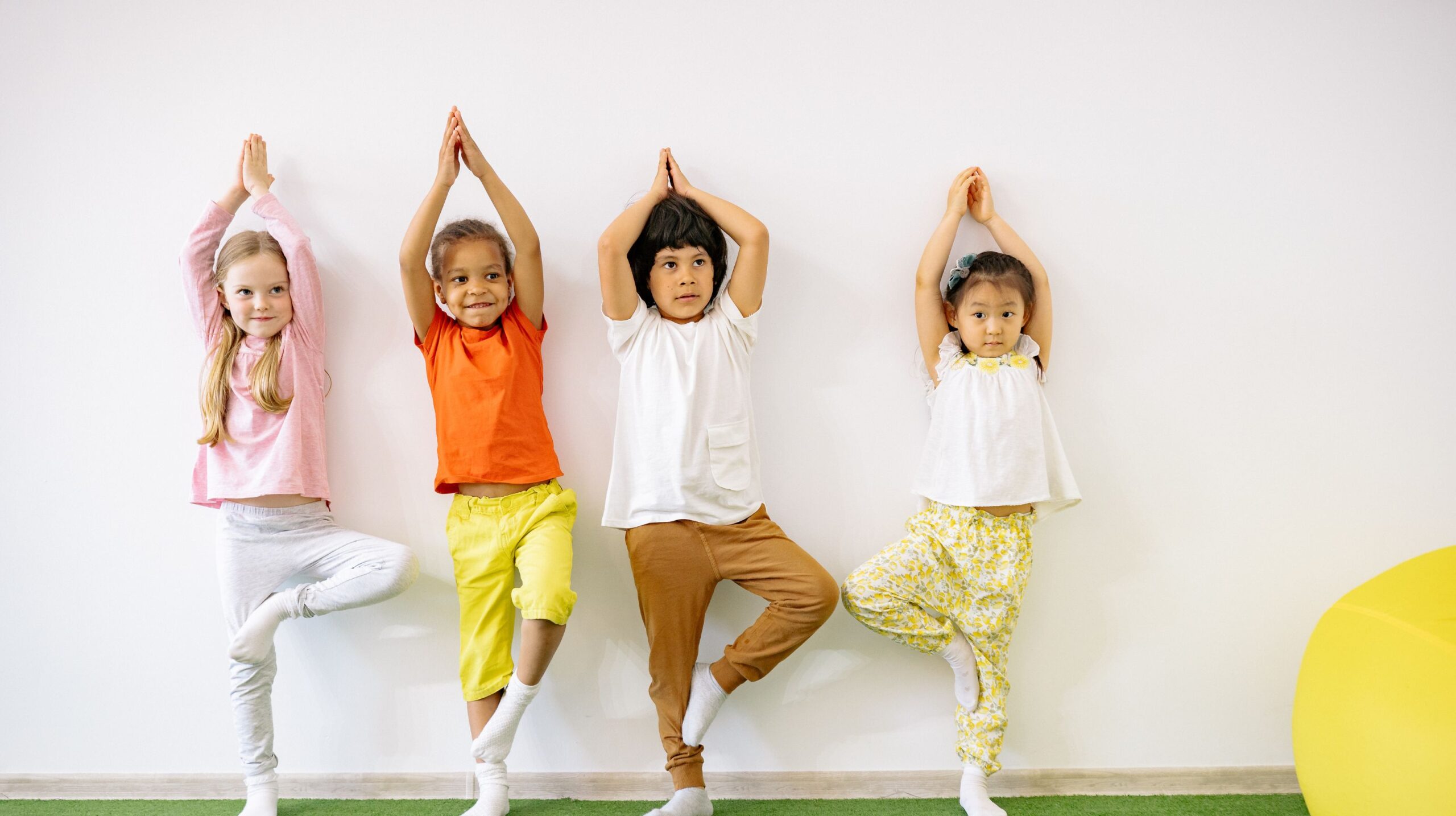
How Chiropractic Care Helps Children with Coordination and Balance Issues
Neurological Chiropractic Care for Coordination, Balance, and Motor Challenges in Children — The Wellness Path · Knoxville · Maryville · Morristown TennesseeThe child who trips over their own feet on flat surfaces. Who cannot seem to learn to ride a bike when peers have been riding confidently for two years. Who drops things constantly, bumps into furniture, misjudges distances, and avoids sports and physical activities because their body does not cooperate the way other children’s bodies do. This child is not clumsy and they are not uncoordinated by personality. Their nervous system has a coordination challenge — and coordination challenges have specific, identifiable neurological sources.
Coordination issues in children — the clumsiness, the difficulty with bilateral motor tasks, the poor balance, the struggle with sports and physical activities that peers manage easily — have a neurological source that chiropractic care directly addresses. The cerebellum and brainstem govern the sensorimotor integration underlying coordination, and upper cervical subluxation with retained primitive reflexes are the most common structural and neurological drivers of the coordination difficulties children present with.
The spine is the primary source of proprioceptive input — providing 67-70% of all the sensory information about body position, movement, and spatial orientation that the cerebellum and motor cortex use to produce coordinated movement. When spinal subluxation is present — creating abnormal proprioceptive signaling from the affected segments — the cerebellum is working with degraded, incomplete information. The movement corrections it produces are less accurate. The timing is off. The spatial awareness is imprecise. The child falls more, trips more, misjudges more — not because they are not trying, but because the sensory foundation their coordination depends on has been compromised.
Retained primitive reflexes are the second major driver of childhood coordination challenges. The TLR — tonic labyrinthine reflex — when retained affects the overall distribution of muscle tone throughout the body in gravity, making postural stability and coordinated movement in space significantly harder. The ATNR when retained prevents the bilateral arm-leg coordination that underlies almost every sport, every playground activity, and every gross motor challenge children face. The postural righting reflexes — which should emerge as primitive reflexes integrate — provide the automatic postural adjustments that underlie the ability to catch oneself, change direction, and maintain balance during movement. When their development is delayed by the continued presence of retained primitive reflexes, the automatic coordination the child needs is simply not there.
What We Look For
Retained Primitive Reflexes and Movement Patterns
The TLR when retained affects overall muscle tone in gravity — making the postural stability that coordinated movement requires significantly harder to achieve and maintain. The ATNR prevents the bilateral coordination that cross-lateral motor activities require. The righting reflexes when delayed in development leave the child without the automatic postural responses that balance and coordinated movement depend on. A comprehensive primitive reflex assessment identifies which specific reflexes are most active in limiting the child’s coordination — and the home exercise protocol targets them directly.
Spinal Proprioception and Cerebellar Input
The cerebellum depends on continuous, high-quality proprioceptive input from the spine to calibrate and correct movement in real time. When spinal subluxation degrades this input, the cerebellum is working with less accurate and complete information — producing the coordination errors, timing difficulties, and balance challenges parents observe. TRT corrections restoring spinal proprioception directly improve the quality of the sensory input the cerebellum is working from — and most families notice improvement in balance, spatial awareness, and movement confidence relatively quickly as the proprioceptive picture improves.
Vestibular-Visual-Proprioceptive Integration
Coordinated movement requires the simultaneous integration of three sensory streams — vestibular from the inner ear, visual from the eyes, and proprioceptive from the spine and joints. When proprioceptive input from the spine is degraded by subluxation, the integration of all three streams is compromised — and the child cannot reliably coordinate movement across the full range of activities that healthy coordination supports. Restoring spinal proprioception improves the quality of the sensory foundation from which all three streams are integrated.
What to Expect From Care
- Improved balance and gait — trips and falls become less frequent as spinal proprioception and cerebellar input normalize
- Better bilateral coordination — tasks requiring both sides of the body moving together become more manageable and more automatic
- Improvement in fine motor precision — handwriting, tool use, scissors, buttons, and small object manipulation all improve as motor control refines
- Better spatial awareness and body-in-space orientation — bumping into things and misjudging distances reduce
- Increased confidence in physical activities as coordination improves and movement becomes more reliable and less effortful
- Willingness to engage in sports and physical play with peers as the gap in coordination capability narrows
Related Conditions
Often driven by the same underlying patterns:
Your Child’s Coordination Is a Neurological Skill. Let’s Support the Nervous System Behind It.
Book your NeuroFoundation Assessment — $197 for new patients — at any of our three East Tennessee locations.
Book Your NeuroFoundation AssessmentCall or text (865) 214-7438 · Knoxville · Maryville · Morristown