
Infant Torticollis Chiropractor Knoxville TN
Torticollis — Pediatric Chiropractic Care in Knoxville TN
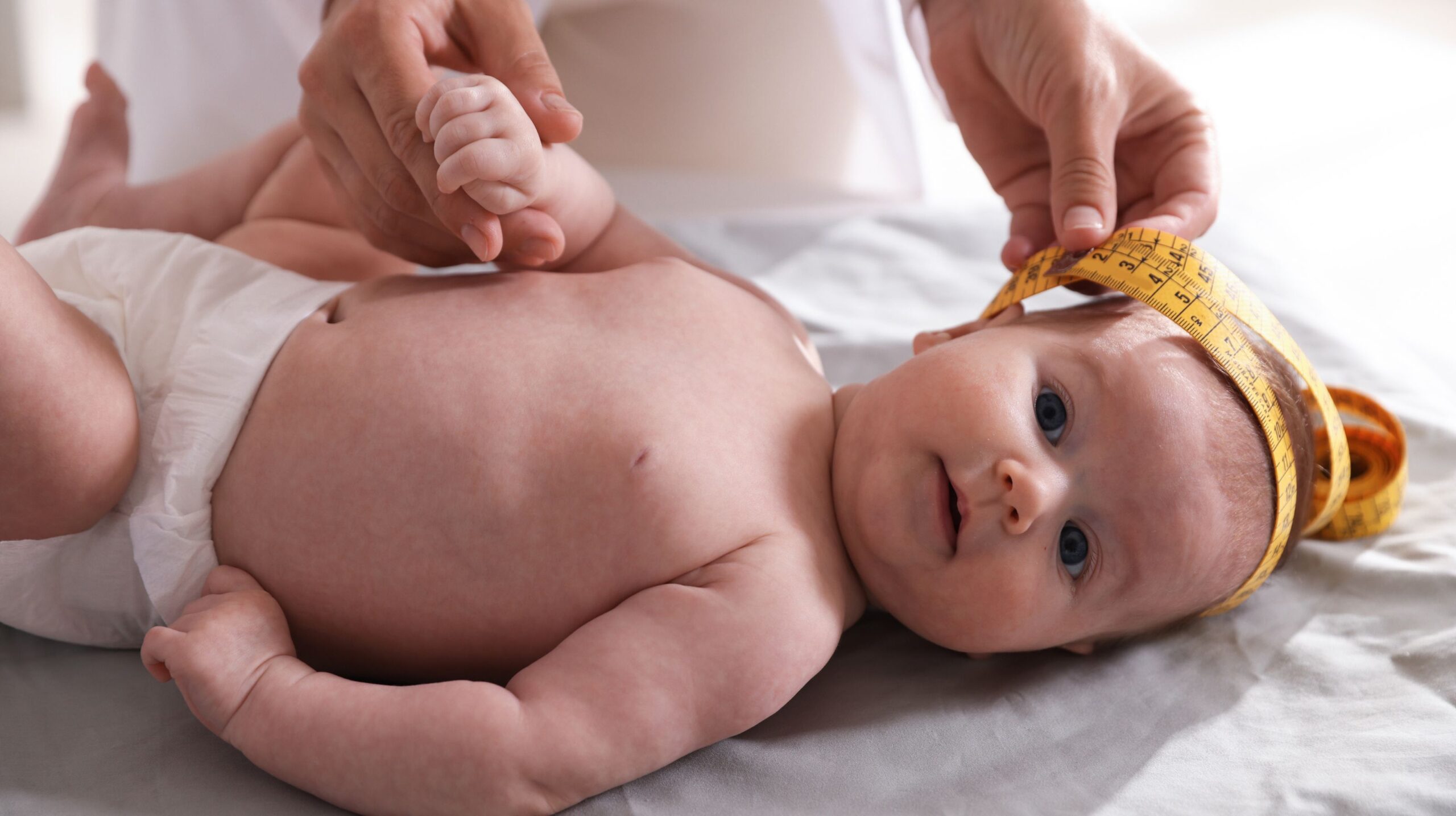
Gentle Neuro-Focused Chiropractic for Infant Torticollis — Serving Knoxville, Maryville, and Morristown TennesseeTorticollis — the head tilt and rotation pattern where your baby consistently holds their head to one side and has difficulty or outright resistance turning the other way — is one of the most common presentations we see in the newborn and infant period. It is also one of the most responsive to early chiropractic care. And one of the most important to act on quickly.
Most parents first notice something is off in the first few weeks of life. The baby always sleeps with their head turned the same direction. They fuss or cry when you try to turn them the other way during feeding or diapering. A flat spot starts developing on one side of the skull. The pediatrician may have already mentioned a diagnosis of muscular torticollis — or they may have just told you it will probably work itself out. In some mild cases it does. In most cases, without specific intervention to address the structural and neurological drivers, it compounds.
Torticollis in infants is most commonly caused by a combination of upper cervical subluxation and sternocleidomastoid muscle restriction — both frequent consequences of birth positioning, in-utero constraint, or the compressive forces of delivery. Even a completely uncomplicated vaginal birth involves significant compressive and rotational forces on the infant cervical spine. When those forces create a subluxation at C1 or C2, the cervical joints on that side become restricted — and the SCM on the same side shortens and holds to protect the restricted joint. The head tilts toward the tight side and rotates away. That is the torticollis pattern. And it does not resolve on its own — because the structural source driving the muscular holding pattern is still present.
Why Early Intervention Matters
The window for easy resolution is the first weeks and months of life — and this is not an exaggeration. Here is why timing matters so much with torticollis.
In the first few weeks, the SCM restriction is primarily muscular — the fiber length is shortened but the tissue is still soft and responsive. Gentle corrections at C1 and C2 remove the structural source, and the SCM releases relatively quickly. By eight to twelve weeks, if the pattern has not been addressed, the sustained muscular shortening begins to create fibrotic changes in the SCM — actual changes to the tissue architecture that take significantly longer to reverse. By four to six months, the fibrotic change may be well established, secondary plagiocephaly has often developed from the sustained one-sided head resting, and the restricted cervical rotation has begun to affect motor development — because full cervical range of motion is required for rolling, and rolling is required for crawling, and crawling is required for the brain development that everything else builds on.
The other secondary consequence that most families do not initially connect to torticollis is feeding difficulty. When a baby cannot rotate equally to both sides, latch position on one side is mechanically compromised. Mothers who are struggling to get a comfortable latch on one specific side — and whose lactation consultant cannot find a mechanical feeding problem — often have a baby with undiagnosed cervical rotation restriction driving the asymmetry.
What We Look For
Upper Cervical Subluxation at C1 and C2
C1 and C2 are almost always involved in infant torticollis. Birth compression — from the forces of delivery, from sustained in-utero positioning, or from the mechanical demands of assisted delivery with forceps or vacuum — creates a rotational or lateral subluxation at these levels. The subluxation restricts the range of motion available on the affected side and drives the SCM to hold in a shortened position to protect the restricted joint. Gentle Torque Release Technique corrections at C1 and C2 restore the cervical joint mobility the SCM has been compensating for — and as the joint moves freely again, the muscular holding pattern has no reason to maintain itself.
SCM Restriction and Fibrosis
The sternocleidomastoid muscle runs from the mastoid process behind the ear down to the clavicle and sternum. When birth compression or in-utero positioning causes sustained shortening of this muscle, it can develop fibrotic changes that restrict cervical range of motion on the contralateral side. In early presentations the tissue is still soft and releases quickly. In longer-standing presentations gentle progressive soft tissue work is required alongside the cervical corrections — working the fibrotic tissue over multiple visits until the full fiber length is restored and the cervical range of motion normalizes.
Cranial Asymmetry and Plagiocephaly
Torticollis and plagiocephaly frequently co-occur — because the same compressive forces that created the cervical restriction also affected the cranial bone alignment, and because the sustained one-sided head positioning that torticollis creates progressively flattens the skull on the side the baby rests on. Cranial assessment and gentle cranial work is a standard part of the torticollis evaluation at The Wellness Path. We address both the cervical and cranial components simultaneously — because correcting the cervical restriction without addressing the cranial asymmetry leaves part of the structural picture unresolved.
How We Approach Care
The first visit begins with a thorough assessment — we evaluate the range of motion in both directions, identify the side and direction of the cervical restriction, assess the SCM for tone and length differences side to side, and evaluate the cranial bone alignment. We check the rooting reflex — which should be symmetrical, and in babies with torticollis is often not — and we review the birth history and any in-utero positioning concerns the mother noticed during pregnancy.
From there the care approach is simple. Gentle Torque Release Technique corrections at C1 and C2 are the primary intervention — delivered with the Integrator in whatever position the baby is most comfortable, which is often lying on a parent’s chest or in the parent’s arms. Soft tissue work at the SCM and the surrounding cervical musculature follows the adjustment. For babies with cranial asymmetry, gentle cranial work addresses the suture and bone alignment component. And we send the family home with specific infant positioning and handling recommendations — strategies for carrying, holding, and positioning during sleep and feeding that support the cervical correction between visits rather than working against it.
Most families visit one to two times per week in the initial phase of care. As the cervical range of motion normalizes and the SCM tone equalizes, the frequency reduces. Most early-presenting torticollis cases resolve fully within six to twelve visits. Longer-standing cases with significant fibrotic change require more time — but the trajectory is almost always clearly positive from early in the care process.
A Note on Timing With Plagiocephaly
If torticollis has been present for several months and significant plagiocephaly has developed, a helmet may be recommended by the pediatrician or a specialist. If helmeting is being considered, beginning chiropractic care for the torticollis before or alongside the helmeting period is strongly advisable — because a helmet addresses the skull shape but does not address the cervical restriction that is causing the head to rest asymmetrically in the first place. Resolving the cervical restriction allows the baby to distribute head pressure more evenly — which significantly improves the outcome of the helmeting period.
What to Expect From Care
- Progressive improvement in cervical range of motion — the baby begins turning freely and comfortably to both sides
- Reduction in the resistance, fussiness, and distress with turning to the previously restricted side
- Improvement in feeding comfort and latch symmetry if the rotation restriction has been affecting feeding position
- Reduction in plagiocephaly as the head begins to move more symmetrically and rest pressure distributes evenly
- Normalization of the rooting reflex — the baby begins responding symmetrically to stimulation on both sides
- Normalized head posture — the consistent tilt and rotation pattern reduces progressively and resolves
- Better motor development trajectory — full cervical range of motion restored before the rolling and crawling windows
Related Conditions
Often driven by the same birth compression and structural patterns:
Torticollis Responds Best to Early Care. Let’s Get Started.
Book your NeuroFoundation Assessment — $197 for new patients — at any of our three East Tennessee locations.
Book Your NeuroFoundation AssessmentCall or text (865) 214-7438 · Knoxville · Maryville · Morristown